Shimmering Stillness at Cardiff Bay
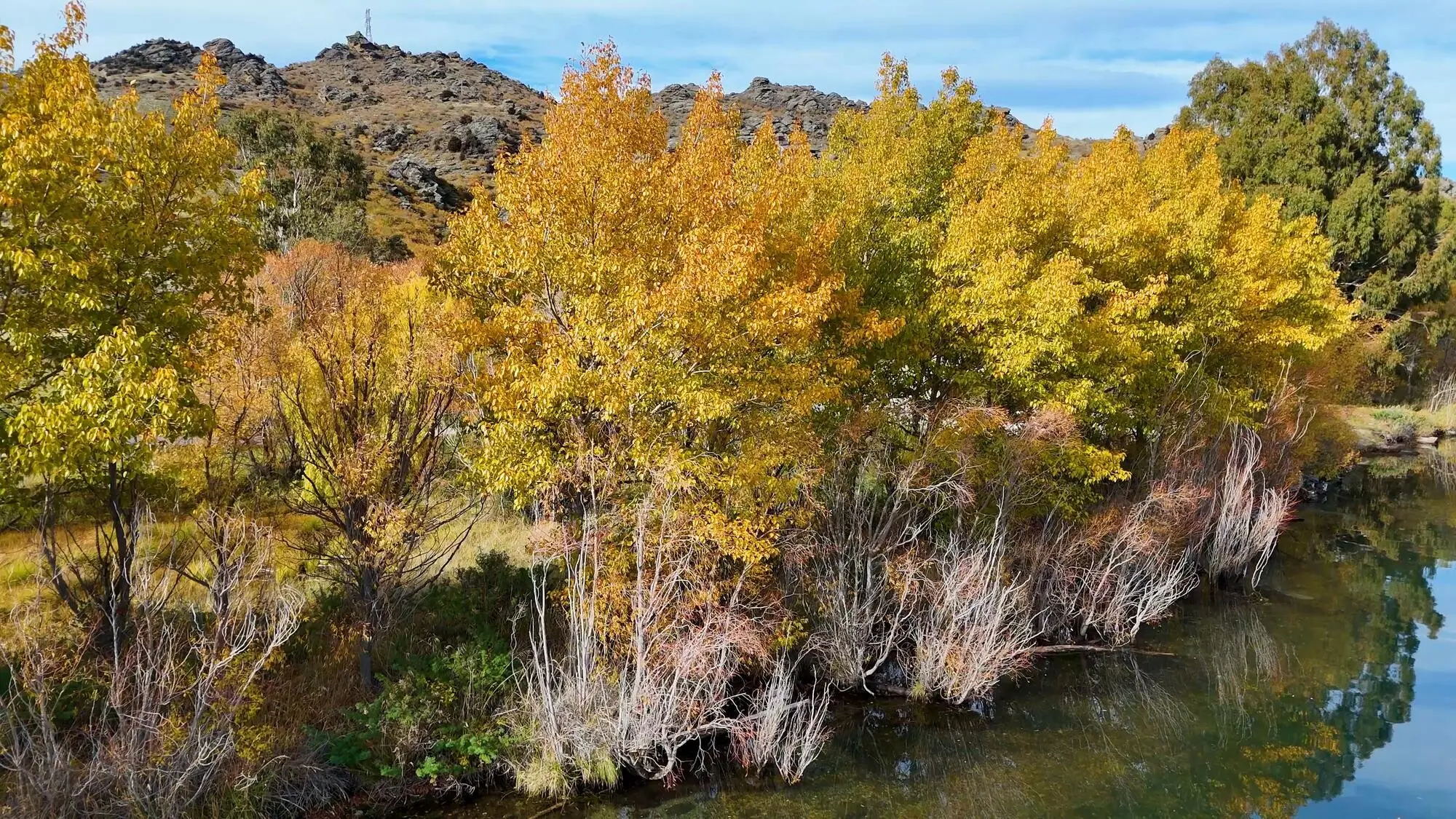
Welcome to a focused, field-tested exploration of Blue Hour Long-Exposure Techniques for Capturing Cardiff Bay Promenade Reflections. We will time the cobalt dusk perfectly, refine exposure to calm ripples into glass, and compose luminous stories around the Senedd and Pierhead silhouettes. Expect practical steps, heartfelt anecdotes from the waterfront, safety notes for nighttime shooting, and a compassionate push to experiment, share results, and return for more guidance as your images evolve from promising sketches into polished, resonant photographs.

Reading the Light Between Day and Night

Blue hour is a brief, generous window where city lights breathe into the deepening sky, and water remembers every glow like pressed flowers between pages. Understanding this changing balance lets you predict when reflections bloom, when tones cool to velvet, and when the promenade’s character shifts from casual bustle to contemplative calm. We will decode timing cues, from streetlamp flickers to horizon gradients, so your shutter opens exactly as Cardiff Bay softens into luminous serenity.

Why Blue Hour Flatters the Bay

As the sun slips below the horizon, skylight turns richly directional yet gentle, cooling shadows without crushing detail. Cardiff Bay’s impounded waters settle into a quieter surface, allowing elongated reflections that feel unforced and elegant. That balance between nascent city lights and lingering natural glow keeps highlights manageable, color separation lovely, and architecture etched with clarity. Your long exposure polishes small ripples, turning a bustling scene into poised, breath-held stillness that reads as confident and timeless.

Balancing Ambient Glow and Skyline Contrast
Expose too early and you fight harsh tonal contrast; wait too long and colors thin as urban lights overpower subtle hues. Use your histogram to protect midtones while letting highlight roll-off stay graceful around lamps, signage, and windows. Lean into the cool-to-warm interplay—sapphire sky meeting amber architecture—by setting white balance deliberately. Aim for recoverable shadows, controlled highlights, and a luminous middle where water, sky, and promenade rails converse quietly rather than compete for attention.

Judging Wind, Cloud, and Water Texture

A whisper of wind yields painterly water, but gusts carve jittery patterns that persist even in long exposures. Low, fast-moving clouds stretch into cinematic streaks; slow, broken clouds add delicate texture without stealing the frame. Read conditions from flags, ripples under dock lights, and reflections broken by passing boats. Adjust shutter length intuitively: smooth enough to unify tones, short enough to respect character. Learn to listen to the water’s surface before you even unfold the tripod.

Mermaid Quay Boardwalk Angles

The boardwalk’s curves offer welcoming leading lines that guide the eye toward shimmering water. After rain, puddles echo the bay, doubling reflections without complex techniques. Arrive early to test viewpoints unobstructed by diners or passersby, then return at blue hour when lights glow softly. Compose wide to include rail geometry, or step tighter to celebrate glints on mooring posts. Every shift in stance changes highlight placement, so experiment until rails and reflections converse in balanced harmony.

Senedd and Pierhead Reflections

The Senedd’s glass and timber canopy reflects with clean geometries, while the Pierhead’s iconic brick warmth grounds the scene with character. Work low to stretch reflections, and nudge the frame to keep verticals straight. Watch how interior lights bloom gently across the bay, giving your long exposure a steady heartbeat. Aim for dignified simplicity—architectural forms, water’s calm breath, and a sky deepening by degrees—so your final image feels like a respectful conversation between civic presence and nocturnal grace.

Essential Gear and Dialed-In Settings

Bring stability, precision, and restraint. A solid tripod with a dependable ball head, a remote release or self-timer, and a lens hood prevent tiny movements from erasing micro-contrast. Neutral-density filters can help if ambient brightness lingers, though during true blue hour you often need none. Shoot base ISO, a mid-range aperture for sharpness, and measured shutter times that calm water without bleaching highlights. Keep gloves, a microfiber cloth, and spare batteries ready—the bay breeze can be quietly insistent.

Tripod Stability and Vibration Control

Extend thicker leg sections first, press feet securely, and hang your bag gently without swinging. If railings vibrate from footsteps, back off and stand on solid ground. Use a two-second delay or a remote to dodge shutter shock. Turn off image stabilization when locked on a tripod. Tiny vibrations multiply across long exposures, softening edges and smearing star-like highlights. Treat your setup like a tuning fork: dampen resonance, and the photograph will ring clear and beautifully precise.

Filters, Glass, and When to Leave Them Off

An ND filter lengthens shutter speeds if twilight lingers brightly, but often blue hour already grants the seconds you need. A circular polarizer can kill reflections you came to celebrate, so use it sparingly or not at all. Keep front elements spotless; stray smears glow under point lights. Lens hoods reduce veiling flare from streetlamps off-frame. Choose primes or sharp zooms you trust wide open? Better to stop down moderately, inviting crisp corners without encouraging unwanted diffraction haze.

Exposure Triad for Liquid Mirrors

Start at ISO 100, set f/8 to f/11 for faithful micro-contrast, and then stretch shutter time until water smooths into a single, legible surface. Check blinkies to protect lamp halos while retaining midtone grace on buildings. Review reflections carefully—if patterns feel nervous, add seconds; if highlights wash, subtract. Lock consistent white balance to keep editing manageable. Seek exposures that feel unhurried, where each luminous streak settles, and every architectural edge remains dignified, balanced, and confidently articulate.

Long-Exposure Craft on Water and Walkways

Technique is choreography. You are negotiating moving elements—wind-kissed ripples, strolling couples, the occasional boat—with steadiness and empathy. Your shutter length is a brushstroke: longer to quiet chatter, shorter to keep character in the water’s skin. You will practice timing footsteps for gentle ghosting, using intervals between cyclists, and finding the sweet spot where reflections hum while highlights stay tender. The result is not sterile stillness, but living calm that invites a slower, appreciative gaze.

Shutter Times That Paint Still Water

Aim for 10–30 seconds when wind is mild, extending toward 60–120 seconds if ripples persist and lights are modest. Avoid over-smoothing when texture tells an important story. Watch how lamp reflections lengthen, merging into continuous threads as seconds accrue. If boats pass, embrace gentle streaks or wait them out. The test frame is your tuning pass; review, adjust, breathe, and let each subsequent exposure whisper more confidently than the last until the surface feels satisfyingly composed.

Creative Motion: Boats, People, and Light Trails

Evening ferries or water taxis can lace the frame with discreet lines, adding narrative rather than clutter. On the promenade, slow-moving people soften into suggestive silhouettes, expressing presence without literal detail. Time exposures to avoid bright, distracting phones or hold shots until crowds thin. Blend multiple frames later if needed. Let motion be an instrument you control, never an adversary. When used thoughtfully, it frames stillness, describing life’s rhythm while honoring the bay’s reflective quiet.

Bracketing and Blending for Perfect Highlights

High-contrast scenes around signage or polished metal can exceed a single exposure’s latitude. Bracket subtly—one brighter for shadow grace, one darker for highlight discipline—and blend with gentle masks. Keep transitions invisible, preserving natural falloff around lamps. Median stacks can tidy rare passerby or random ripples while maintaining believable texture. Prioritize authenticity: reflections should feel gathered by time, not airbrushed into sterility. Blend to recover intention, not to force sterile perfection that disconnects from Cardiff Bay’s character.

Composing Symmetry, Lines, and Stories
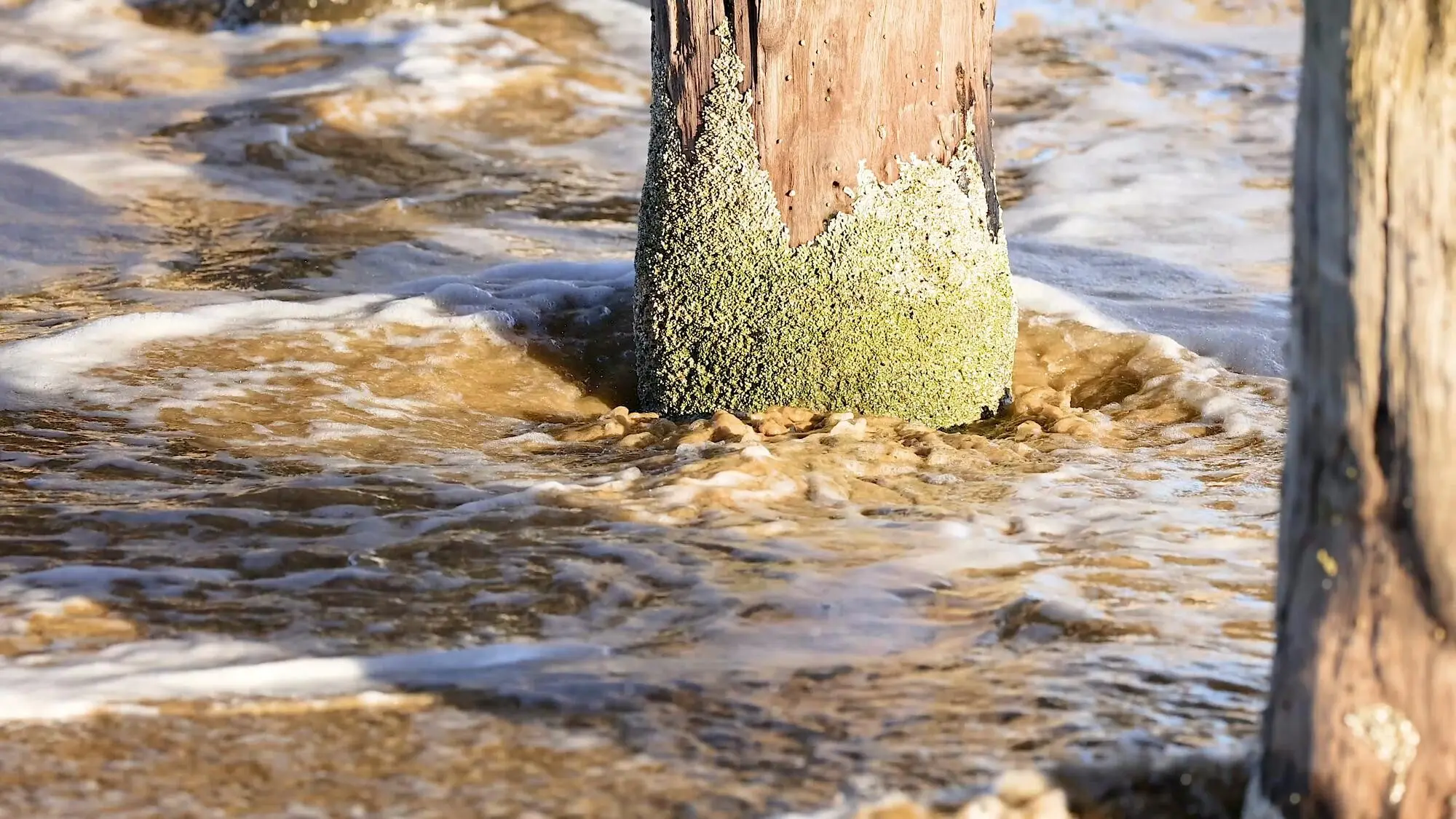
Reflection photography is more than a mirror; it is a dialogue between above and below. Use railings as invitations, curbs as arrows, lamps as punctuation marks that guide the reader through your image. Seek symmetry when stillness is profound, or break it deliberately with a human gesture, a mooring cleat, or foreshore texture. After rain, the promenade itself becomes a second bay, layering echoes. Compose with kindness: every line should help the viewer feel welcomed, curious, and unhurried.
Promenade railings curve with a purposeful grace, letting you stage entries into the frame and anchor horizons. Step inches left or right to refine tangent relationships with lamp reflections. A slight low angle can thicken leading lines, granting visual confidence. Keep corners tidy—stray posts can snag attention. Think of railings as sentence starters, reflections as clauses, and the skyline as a concluding phrase. When they read smoothly together, your composition invites lingering rather than hurried scanning.
A passing drizzle polishes flagstones into quiet mirrors, doubling lights and intensifying the mood. Kneel, frame low, and let puddles stitch foreground to bay. Work quickly before footprints fracture surfaces, or wait for gentle ghosting that implies recent passage. Expose carefully to avoid specular blowouts along irregular edges. These ground reflections humanize the grandeur, making the image intimate and tactile. The viewer senses cool air, rubber soles, and neon whispers, lingering longer because the scene feels lived-in.
A mooring ring, bollard, chain, or textured step adds scale and a tactile counterpoint to polished water. Anchor your composition with purpose, letting the eye rest before traveling into luminous distance. Beware clutter or heavy elements too near edges. Consider diagonal placements to energize symmetry gently. Subtle foregrounds don’t shout; they whisper context, making reflection and architecture feel grounded, believable, and inviting. The result is depth that reads naturally rather than a flat postcard gloss.

Post-Processing for Cobalt Calm

Color Balance That Honors Twilight

Lock a neutral baseline in-camera, then finesse in post with reference points pulled from stone, wood, or known grays. Protect that delicate blue; do not drive it into electric cyan. Let tungsten warmth live, yet restrain it from overwhelming subtle hues. HSL tools can refine lamp halos and keep yellows from bleeding. Aim for harmony between sky, architecture, and water so the palette whispers consistent intention and memory faithfully, rather than shouting trendy, quickly dated exaggerations.

Selective Masks for Reflections and Skies

Lock a neutral baseline in-camera, then finesse in post with reference points pulled from stone, wood, or known grays. Protect that delicate blue; do not drive it into electric cyan. Let tungsten warmth live, yet restrain it from overwhelming subtle hues. HSL tools can refine lamp halos and keep yellows from bleeding. Aim for harmony between sky, architecture, and water so the palette whispers consistent intention and memory faithfully, rather than shouting trendy, quickly dated exaggerations.

Noise, Hot Pixels, and Nighttime Cleanup

Lock a neutral baseline in-camera, then finesse in post with reference points pulled from stone, wood, or known grays. Protect that delicate blue; do not drive it into electric cyan. Let tungsten warmth live, yet restrain it from overwhelming subtle hues. HSL tools can refine lamp halos and keep yellows from bleeding. Aim for harmony between sky, architecture, and water so the palette whispers consistent intention and memory faithfully, rather than shouting trendy, quickly dated exaggerations.

Forecasts, Wind, and the Barrage’s Calm Waters

Because the Barrage moderates water levels, reflections hold shape longer than in a tidal estuary, yet wind still sculpts surface character. Watch flags, small ripples under lamps, and leaf movement. Use apps for gust predictions and cloud ceilings; low clouds often paint pleasing gradients at blue hour. Carry a lens cloth for mist. Schedule flexibility pays: if wind calms twenty minutes later than planned, your patience translates directly into polished reflections that feel serenely effortless.

Working Discreetly Around Evening Crowds

Arrive early, introduce yourself if you’ll remain near a table or bench, and keep your tripod footprint compact. Time exposures between footfalls to avoid jolts on decking. Offer a smile, answer curious questions kindly, and be willing to shift slightly for accessibility. People remember courtesies; tomorrow’s vantage might be easier because tonight you were gracious. Your serenity influences outcomes—relaxed shooters make relaxed photographs, where reflections breathe and viewers sense respect flowing through every quiet decision you made.

Anecdote: The Night the Clouds Opened

I once waited near the Pierhead as clouds refused drama, merely gray and stubborn. Then a breeze rearranged everything; gaps formed, lights steadied, and the water’s chatter softened. A ninety-second exposure gathered confidence, ribboning amber trails into a single elegant line. Passing strangers leaned over the lcd and whispered wow. That frame taught patience isn’t passive—it is attentive listening. Share your own moments below, so we can learn from the surprises Cardiff Bay gifts to careful eyes.

Weather, Safety, and Local Etiquette

Good images begin with thoughtful presence. Check wind forecasts and precipitation probabilities, and remember the Barrage keeps water levels steady, rewarding patient exposures. Bring layers, respect cyclists and evening strollers, and keep gear tidy to avoid blocking paths. Work with discretion around diners and families; kindness opens doors to memorable frames. Share results with the community, exchange locations respectfully, and consider returning gifts of advice. Your images will deepen as your relationship with the promenade grows generous.
Miratemizeratavoxaridexo
Privacy Overview

This website uses cookies so that we can provide you with the best user experience possible. Cookie information is stored in your browser and performs functions such as recognising you when you return to our website and helping our team to understand which sections of the website you find most interesting and useful.