Blue Hour Encounters Along Cardiff Bay

Welcome to Dusk Wildlife Watching in Cardiff Bay: Blue Hour Observations from the Promenades, where the sparkle of harbour lights meets the hush of water and wing. As daylight dissolves, silhouettes sharpen, calls drift across the bay, and small miracles play out between the barrage and the wetlands. Lace up comfortable shoes, bring quiet curiosity, and let the deepening cobalt sky reveal cormorants, grebes, swans, and quick, darting bats weaving stories within the city’s gentle evening glow.

Arriving Before the Light Fades

The richest moments often happen just before the first streetlamps wink on, when the waterfront softens and wildlife grows confident in the dim. Give yourself a generous margin to settle your senses, find a wind-sheltered angle, and let reflections steady. As colours slide from warm amber into calm indigo, you will notice patterns of movement, small ripples betraying grebes, and flights tracing invisible lines between nesting spots and feeding grounds, all framed by the architectural hum of a living waterfront.

Promenades and Vantage Points that Reward Patience

Cardiff Bay offers layers of viewpoints where water, architecture, and life overlap. From the Barrage’s long perspective across the impounded lake to the reed-fringed hush of the Cardiff Bay Wetlands Reserve, every step changes angles, background glow, and reflections. Wander from the Norwegian Church toward the Pierhead to catch gentle curves of the boardwalk and soft, mirror-like pools. Each location gathers evening visitors differently, shaping silhouettes against skyline geometry, and revealing quiet dramas that unfold only when you linger beyond first impression.

Cardiff Bay Barrage: horizon lines and purposeful flights

The Barrage stretches out like a calm stage where gulls trace straight lines and cormorants commute toward preferred fishing lanes. As lamps flicker to life, the broad view simplifies shapes into elegant contrasts, perfect for observing patterns. Pause midway, shielded from wind by railings, and watch for low, arrowing grebes against a velvet-blue pathway of light. On still evenings, swans drift here like living sculptures, their necks sketching S-curves while the city behind them settles into a quiet, polished glow.

Cardiff Bay Wetlands Reserve: reed whispers and close encounters

Follow the boardwalk where reeds filter city sounds into a soft rustle, and small birds flirt with the edges of view. In blue hour, this pocket feels profoundly near, making every ripple meaningful. Grebes surface with tiny fish, coots fuss in low voices, and swans thread through channels like dignified ghosts. Keep your footsteps gentle to avoid sending skittish shapes deeper into cover. Watch lamp-lit insects gather, sometimes attracting bats that draw curved loops above the water’s dusk-reflective sheen.

Norwegian Church to Pierhead: reflections, culture, and gentle traffic

This waterside stroll balances cultural landmarks with fluid mirror-planes that double the drama of evening colours. The silhouettes of masts, the quiver of rigging, and the gleam of café windows create layered textures behind passing birds. Here, gulls gather in shifting groups, and cormorants occasionally perch on posts, sleek and watchful. If you linger by the railings where wind breaks, you might catch the elegant glide of a great crested grebe, its wake momentarily gilded by the last amber ribbon on the surface.

Birdlife in Silhouette and Reflection

Dusk flattens glare and gifts you with patient outlines: slender-necked grebes surfacing like thoughts, cormorants arrowing low with purposeful intent, and swans writing pale crescents into the stillness. Gulls negotiate territory with brief, bright calls. Tufted ducks gather into conversational clusters, dipping with synchronized ease. In winter, numbers swell with visiting waterfowl; in summer, expect agile flights and courtship hints. Understanding these silhouettes changes hurried glances into recognitions, each moment a quiet handshake between urban light and tidal memory, even within the impounded bay.

Cormorants and grebes under the cobalt canopy
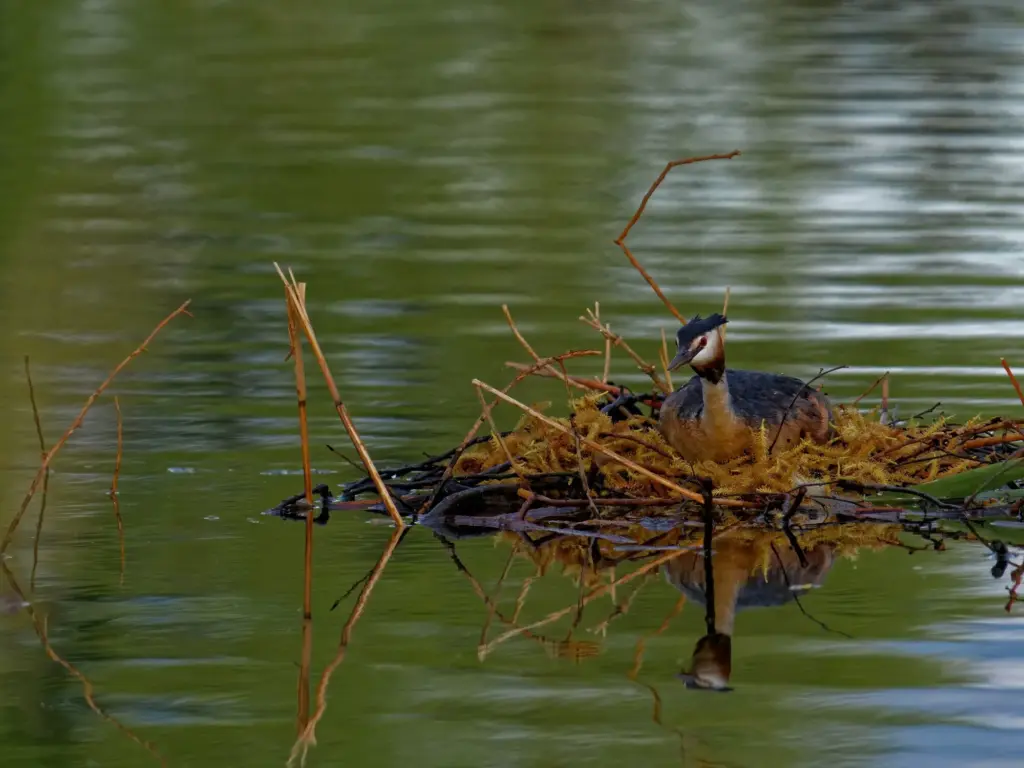
Look for cormorants skimming low, then vanishing into a practiced dive, resurfacing far from expectations. Their profiles become calligraphy against the city’s velvet backdrop. Great crested grebes prefer long, quiet lanes where reflections hold steady; their slim heads and crested outlines cut clean shapes in blue hour clarity. If you wait without fidgeting, a grebe may surface astonishingly close, a silver fish flashing once before swallowed, the ripples widening like a soft bell toll into the gently breathing harbour.

Gulls negotiating light and last scraps
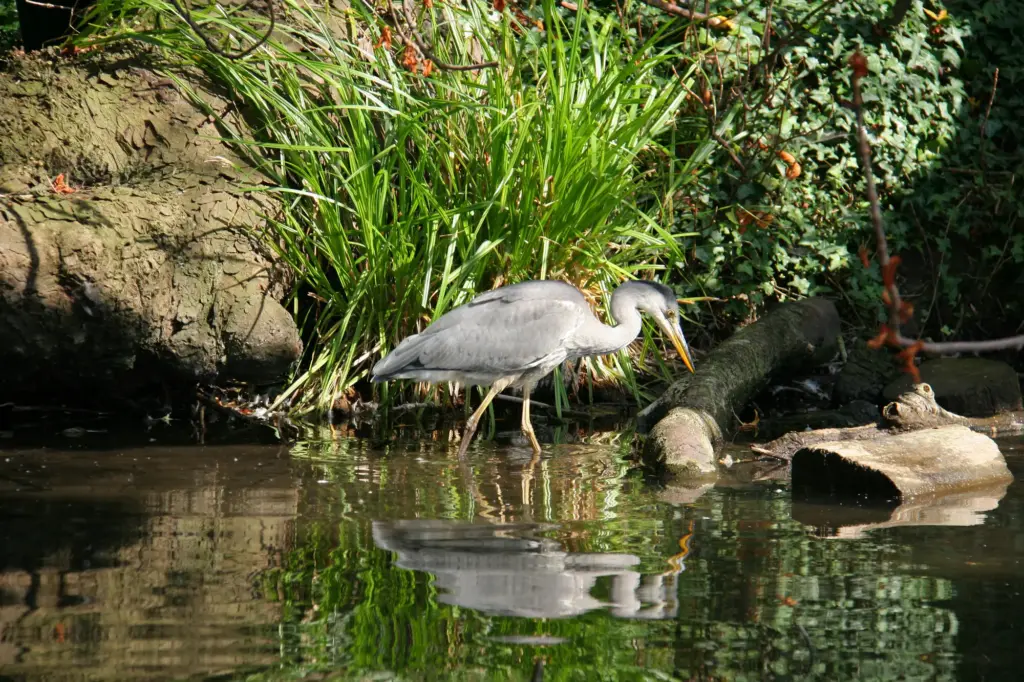
Gulls wear dusk like a theatre costume. Black-headed gulls show neat masks in certain seasons, while herring gulls hold heavier lines that read clearly from a distance. They settle on railings, exchange opinions in clipped notes, and make swift, low crosses between lamplit zones. Watch for brief aerial games, where a feather or crust becomes a prize. The blue hour shaves off harshness, leaving floating commas and dashes punctuating the bay’s sentences, each flight a pause, each landing a tidy period of calm.

Swans, tufted ducks, and faithful regulars

Mute swans drift with ceremony, their whiteness catching any spare glow, while tufted ducks bob like polished buttons along calmer margins. Coots scold invisibly from shadowed angles, and moorhens slip between reeds with furtive grace. In colder months, gatherings thicken and align into looser rafts, a living constellation mirrored beneath. Learning to identify these reliable residents helps anchor your eyes, making rarer moments—like a shelduck’s neat profile or a sudden, synchronized lift-off—stand out as treasured notes within the evening’s patient chorus.

Listening for Life as Colors Deepen

{{SECTION_SUBTITLE}}
Calls that guide your gaze in urban hum

Pinpoint short, bright gull notes that often precede sudden, purposeful flight. Coots complain in buzzy syllables near reed edges, while moorhens offer quieter, rounded sounds. Swans breathe audibly in the stillness, a surprisingly intimate cue in the broader hush. Let these signals steer your eyes along likely paths, revealing silhouettes you might overlook. With practice, the city’s background noise becomes framing instead of interference, a low canvas that carries each authentic, living brushstroke exactly where you need to look.

Wind, rigging, and the grammar of wingbeats

Listen for a peculiar combination: a light clink of metal against mast, a stroked whisper along straps, and then the physical punctuation of wings catching shallow air. Wingbeats differ—gulls steady, ducks faster, swans resonant and powerful. Matching sound to motion trains perception for low light, making sudden silhouettes feel expected rather than fleeting. Even footsteps behind you, if rhythmic and soft, can help calibrate attention, reminding you to slow your own breathing and let the bay’s quiet language lead your next glance.

Low-Light Photography Without Disturbance

Blue hour rewards restraint. Instead of blasting scenes with artificial light, lean into available glow and reflective surfaces. Stabilize with railings or a compact tripod, and embrace slightly higher ISO balanced against gentle noise reduction. Continuous autofocus with modest tracking often outperforms hunting in darkness. Composition thrives on contrast lines—the Barrage horizon, reed margins, lamp paths across ripples. Let wildlife remain undisturbed by distance and silence. Images deepen when patience replaces chase, and when the bay’s existing poetry writes itself onto your sensor.

Settings that honour motion and mood

Begin with aperture wide enough to drink in dim light, then choose shutter speeds that either freeze purposeful flight or allow elegant blur in wings and water. Auto ISO with a thoughtful ceiling manages shifting brightness near lamps. Expose for highlights dancing on ripples to keep glow believable. Shoot bursts sparingly, listening for natural pauses rather than forcing them. The goal is not clinical sharpness alone, but a truthful record of hush, breath, and the measured confidence of evening movement.

Compositions woven from reflections and lines

Use railings, paths, and mast lines as guiding grammar, inviting the eye toward wildlife without crowding subjects. Place swans along luminous bands, cormorants against simple negative space, and grebes where the water’s surface becomes velvet. Reflections double impact; slight disturbances tell stories. Step a pace left or right to erase background clutter rather than relying on heavy edits later. Blue hour compresses palette, so shapes must carry emotion. Seek patient diagonals and anchored horizons that breathe with the bay’s cadence.

Ethics that protect trust and future moments

No flash, ever; it startles, blinds, and breaks the mood you came to witness. Keep generous distance, especially near reeds and resting spots. Avoid playback calls or noises to elicit reactions. If a bird changes behaviour because of you, step back and lower your profile. Share pathways courteously so others can discover their own moments. The most moving photographs often arrive when wildlife forgets you are there, a quiet privilege earned through respect, time, and the gentle decision to leave no trace.

Seasonal Shifts and Community Notes
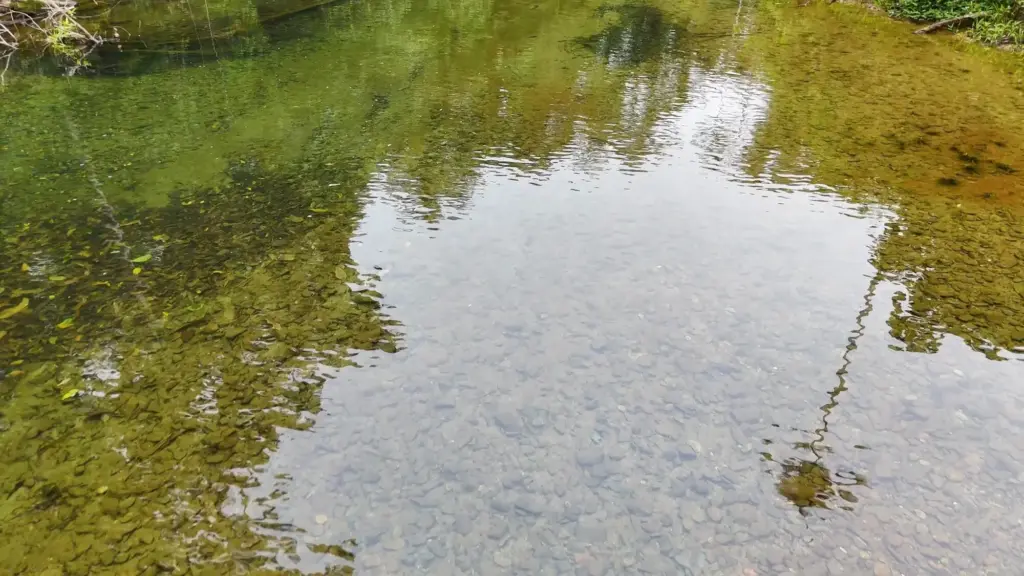
Cardiff Bay evolves through the year, with winter gatherings thickening near calmer corners and summer evenings humming with insects above warm surfaces. Spring can bring courtship displays, while autumn funnels travelers into temporary alliances. Keeping a simple log of dates, weather, and species turns casual walks into a growing narrative. Share sightings with neighbours, comment on unusual timings, and celebrate surprises. Together, we build a welcoming, local memory that helps newcomers feel at home under the bay’s deepening evening sky.
Miratemizeratavoxaridexo
Privacy Overview

This website uses cookies so that we can provide you with the best user experience possible. Cookie information is stored in your browser and performs functions such as recognising you when you return to our website and helping our team to understand which sections of the website you find most interesting and useful.